

Fans around MLB are making a point of enjoying the 2026 baseball season as much as possible (the Boston Red Sox and other teams around the American League have made this difficult) because their may be a work stoppage — or no season at all — in 2027.
The MLB and the MLB Players Association (MLBPA) are set to renew their Collective Bargaining Agreement (CBA) this coming offseason, which is easier said than done. MLB and team owners and the MLBPA have filed initial proposals for the upcoming negotiations, and the outlines are starkly different, as expected.
Of course, the MLBPA's proposal doesn't include a salary cap, but a "competitive integrity tax," which would force teams spending less than half of the first Competitive Balance Tax (CBT) threshold to be fined a portion of their revenue sharing money. MLB and owners have proposed a hard floor of $171.2 million and a hard cap of $245.3 million.
The MLB's proposal is a bit of a laugh. First, 15 MLB teams have payrolls lower than the proposed salary floor. If so many owners are willing to agree to a floor that's higher than their current payroll, why aren't they making an effort to reach that number now? They clearly have the money, they should be making more of an effort if they're so convinced that spending discrepancies are a big enough issue to implement a salary floor and cap.
Second, the $245.3 million proposed cap is just $1.3 million over the first luxury tax threshold for 2026. The last-place Red Sox's 2026 payroll is $268.31 million (according to Twitter user redsoxpayroll), meaning they'd have to lower their payroll to meet the new conditions, should they be approved as they stand (which they won't, but humor me).
Red Sox would have to lower payroll under MLB's proposed salary cap ahead of 2026-27 CBA negotiations
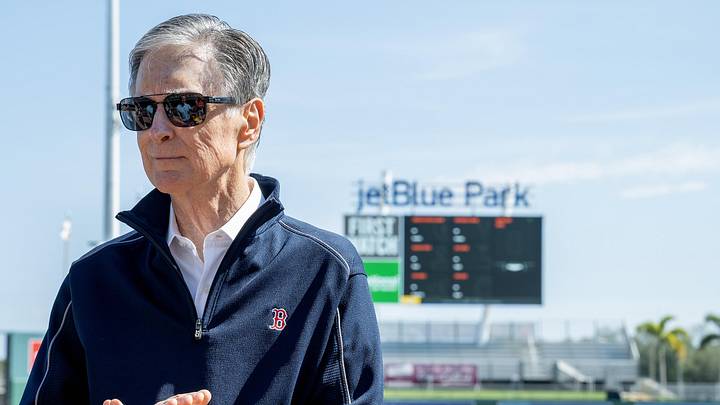
It's easy for Red Sox fans to see that this would be John Henry and Fenway Sports Group's dream. FSG has done everything possible to avoid signing long-term free agent contracts (Alex Bregman, Kyle Schwarber, etc.) and to offload ones to which it's already agreed (Rafael Devers).
MLB and team owners have the nerve to frame their proposal as something fans have asked for — some fans desire a salary cap because small-market owners with money to spend don't spend it, making big market teams like the Los Angeles Dodgers and New York Mets villains in that narrative. The teams below the salary floor could be meeting the floor right now, evidenced by their willingness to agree to it next year, if they didn't want to use their alleged lack of funds as a negotiating point for a salary cap that only serves to limit teams rather than improving them.
Not every team can spend like the Dodgers and Mets do, and there are easier solutions for this than instituting a salary cap. The Dodgers have buckets of extra money sitting around from their TV deal that never should've been awarded to them in it's current state, and limits could be placed on deferred money and signing bonuses (Kyle Tucker signed a deal with a $64 million signing bonus over the offseason) to make free agent negotiations more competitive.
Of course MLB owners (maybe besides Dodgers ownership) want a salary cap. It limits their spending while they would continue to gouge fans at the ballpark: $30-60 for parking, $6 for a bottle of water, $17 for a tall beer (not specifically Fenway Park prices). MLB's proposal only stands to make the league and owners more money at the cost of making very few teams better and other teams worse. The players will never go for it, and unfortunately for the league, they need them to be able to have a season. We're going to be in for a long winter, and maybe even a long spring or summer.
 Add us as a preferred source on Google